


Hiring bias automation is the use of technology to detect, reduce, and eliminate bias in recruiting by standardizing evaluations, removing subjective decisions, and focusing decisions on objective criteria.
In other words, it applies structured, repeatable processes to hiring so candidates are judged on qualifications—not demographic or subconscious factors. As staffing agencies and HR teams face growing expectations around fairness, DEI, and compliance, automated tools have become essential in reducing inconsistent or biased human decision patterns.
Key Characteristics of Hiring Bias Automation
1. Standardized Candidate Evaluation
Automated screening tools rely on uniform scoring rubrics rather than variable human impressions. This ensures all candidates are assessed using the same criteria.
Example: Instead of relying on a recruiter’s subjective read of a resume, an automated system scores candidates on predefined skills, certifications, or experience levels.
2. Data-Driven Decision Frameworks
Automation transforms hiring decisions from gut feelings into measurable, repeatable processes. Data models evaluate skills and experience using quantifiable indicators.
Example: A candidate with five relevant certifications and three years of specific industry experience receives a higher score through objective weighting.
3. Blind Screening of Demographic Indicators
Automation can redact names, photos, addresses, graduation years, and other data points correlated with unconscious bias.
Example: Removing graduation dates reduces age bias; removing names reduces gender and ethnicity bias in resume reviews.
4. Consistent Scoring and Ranking Models
Every candidate receives the same automated evaluation and ranking, eliminating inconsistencies caused by recruiter fatigue or human variability.
Example: A chatbot or AI screening workflow asks each applicant the same questions in the same format.
5. Auditability and Compliance Tracking
Automated systems generate logs that document how decisions were made, helping organizations meet EEOC, GDPR, and internal compliance requirements.
Example: An audit trail showing that all candidates were screened with identical criteria supports fair-hiring compliance.
How Automation Reduces Hiring Bias (Step-by-Step)
1. Removes Demographic Identifiers
Automation tools hide demographic clues—names, photos, locations, and more—that often trigger unconscious bias.
Impact: Recruiters review skills and qualifications without unrelated personal details influencing judgment.
2. Applies Structured Evaluation Criteria
Hiring bias often emerges when recruiters use inconsistent or intuitive evaluation methods. Automation enforces predefined rules.
Impact: Every candidate is evaluated against the same measurable standards.
3. Uses Objective Scoring Algorithms
Algorithms score candidates based on predefined weights applied to skills, certifications, experience, and assessments.
Impact: Objective scoring is less susceptible to mood, assumptions, or fatigue.
4. Monitors Human Decision Patterns
Some tools detect when human reviewers consistently favor or reject certain candidate groups.
Impact: Recruiters receive alerts when their decisions deviate from standardized processes.
5. Generates Transparent Audit Trails
Automation creates documented proof of consistent and fair evaluation.
Impact: Staffing teams can verify compliance, defend hiring decisions, and continuously improve fairness.

Common Misconceptions About Automation and Hiring Bias
Myth: Automation always removes bias.
Reality: Automation removes human bias only when trained and configured properly. Poorly trained AI can reproduce historical patterns.
Myth: Automation replaces human judgment.
Reality: Automation enhances human decision-making by standardizing early stages. Humans still lead interviews, relationship management, and final decisions.
Myth: Automated systems are perfect.
Reality: Systems must be audited regularly. Biases can emerge if algorithms rely on flawed or outdated data.
Myth: Bias-reducing automation is only for large companies.
Reality: Many modern screening tools are affordable and designed for agencies and SMBs, not just enterprises.
Automation vs Traditional Human Screening
Unlike traditional screening, which relies heavily on subjective recruiter interpretation, automated screening uses objective frameworks.
Traditional screening often leads to inconsistency, because different recruiters weigh experience, resume structure, or keywords differently.
Automated systems enforce consistent evaluation, reducing the variability caused by human judgment.
Key contrasts:
- Subjectivity vs Objectivity: Automation evaluates measurable criteria; humans may rely on intuition.
- Consistency vs Variation: Automated tools produce predictable, uniform results; human screening varies by person and mood.
- Scalability: Automation handles thousands of resumes quickly; humans struggle with volume.
- Compliance: Automation supports audit trails; traditional screening often lacks documentation.
Takeaway: Automation reduces bias by standardizing the parts of hiring that humans often perform inconsistently.
Practical Applications for Staffing Agencies
1. Blind Resume Screening
Automated systems remove candidate names, addresses, and graduation years before human review—dramatically reducing subconscious impressions.
2. Automated Skills Assessments
Tests measure job-related abilities using objective scoring.
Example: Technical assessments grade coding proficiency without recruiter influence.
3. Structured Interview Workflows
Automation enforces consistent interview questions, scoring frameworks, and evaluation criteria.
Example: Hiring teams use identical question sets, reducing disparities between interviewers.
4. Candidate Scoring Matrices
Weighted scoring models prioritize qualifications rather than subjective impressions.
Example: A candidate with the highest skill match score automatically ranks at the top of the pipeline.
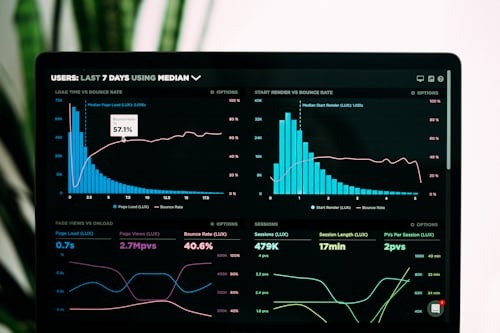
5. Bias Monitoring Dashboards
Advanced systems detect patterns such as certain demographic groups progressing at lower rates.
Example: A staffing firm identifies that applicants from certain zip codes were disproportionately excluded and adjusts review guidelines.